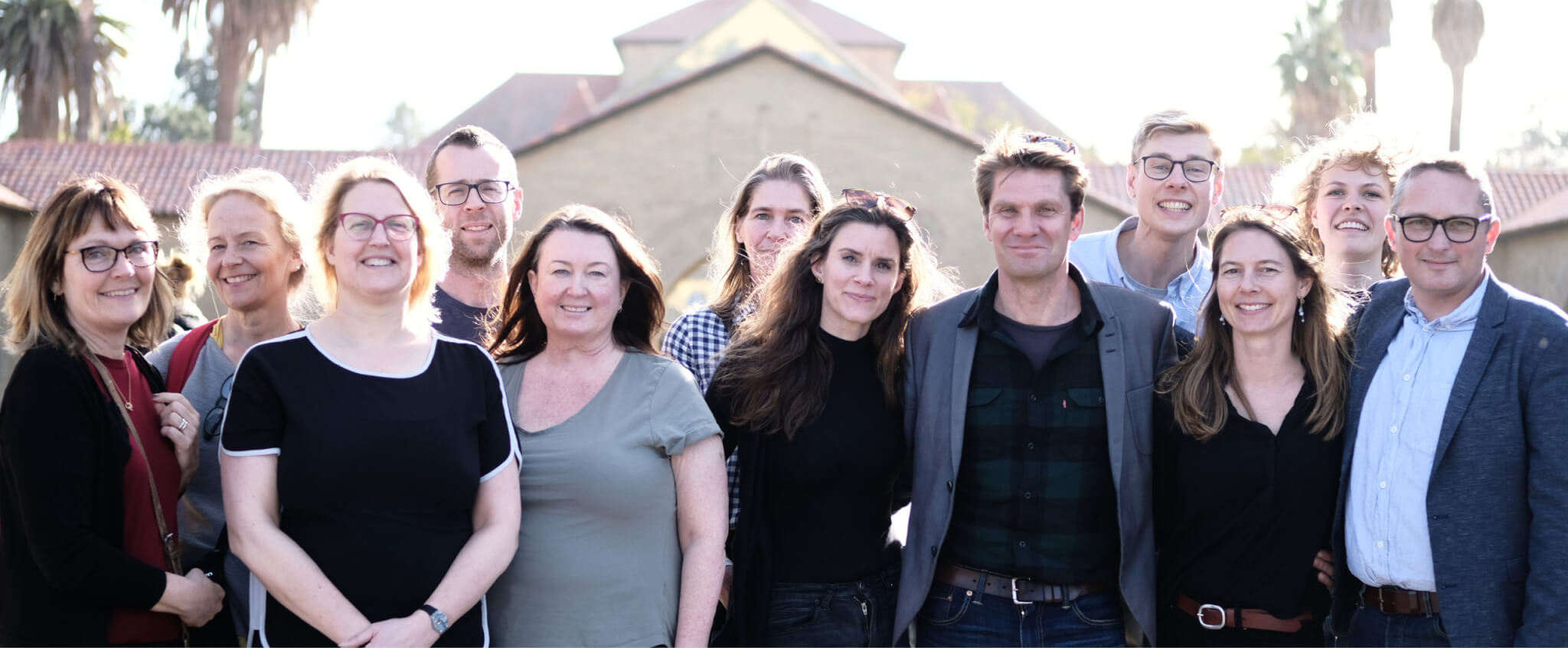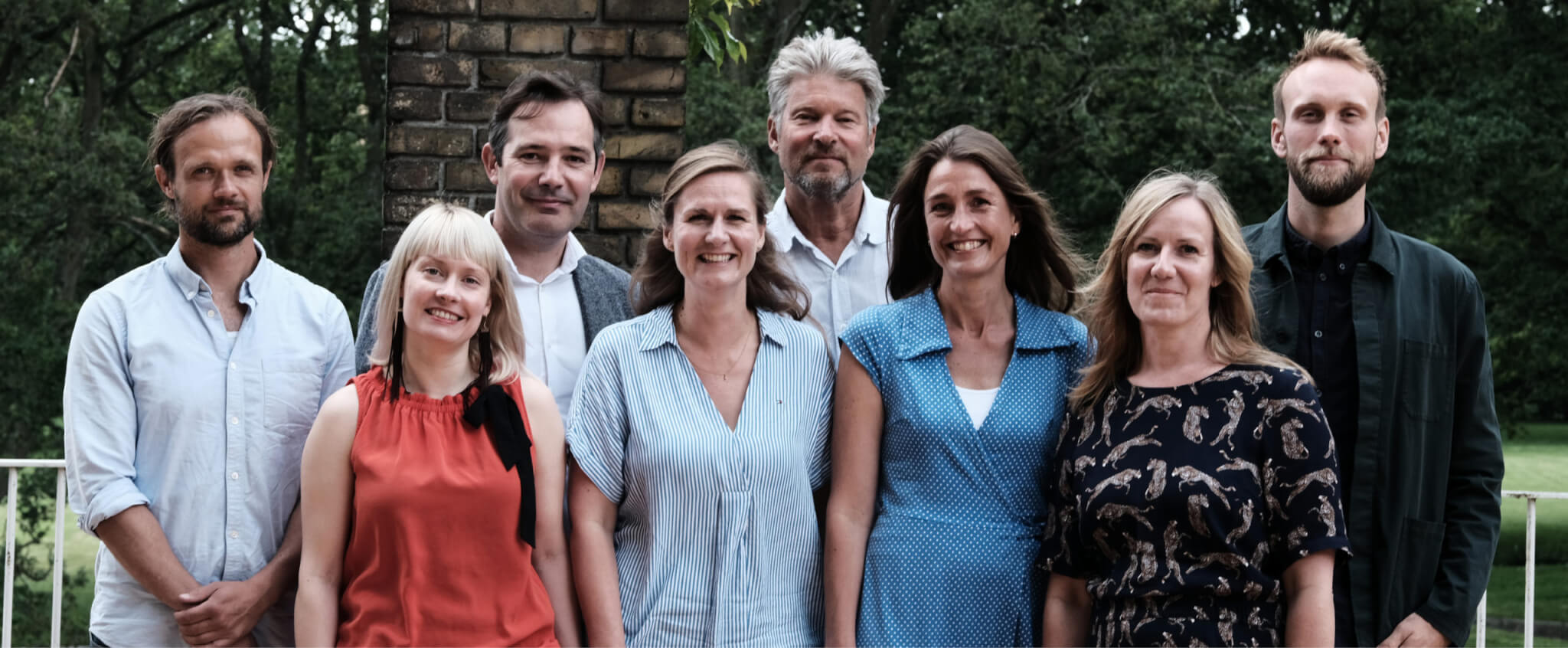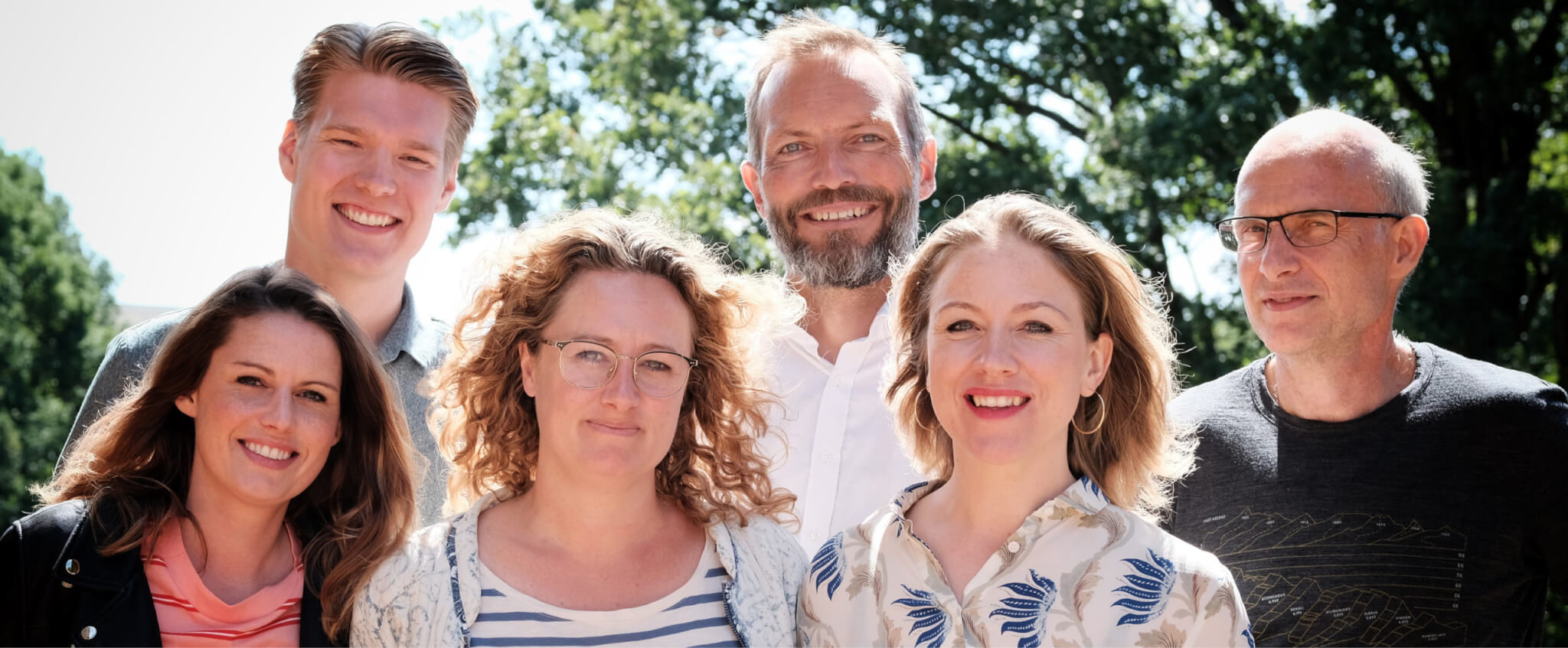
The Fellows 2025-2026
The Constructive Institute offers an annual fellowship program to around 10 media professionals to spend five or ten months at the Constructive Institute in Aarhus, Denmark. The fellows are expected to return to their newsrooms to share their insights with their colleagues and implement constructive reporting into their daily work.
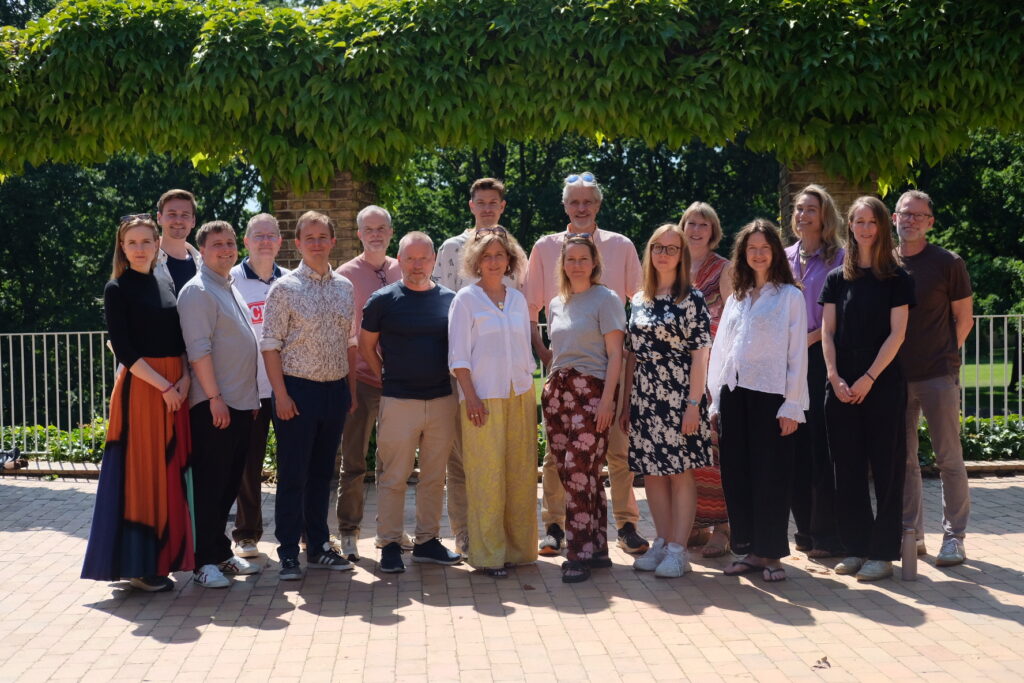
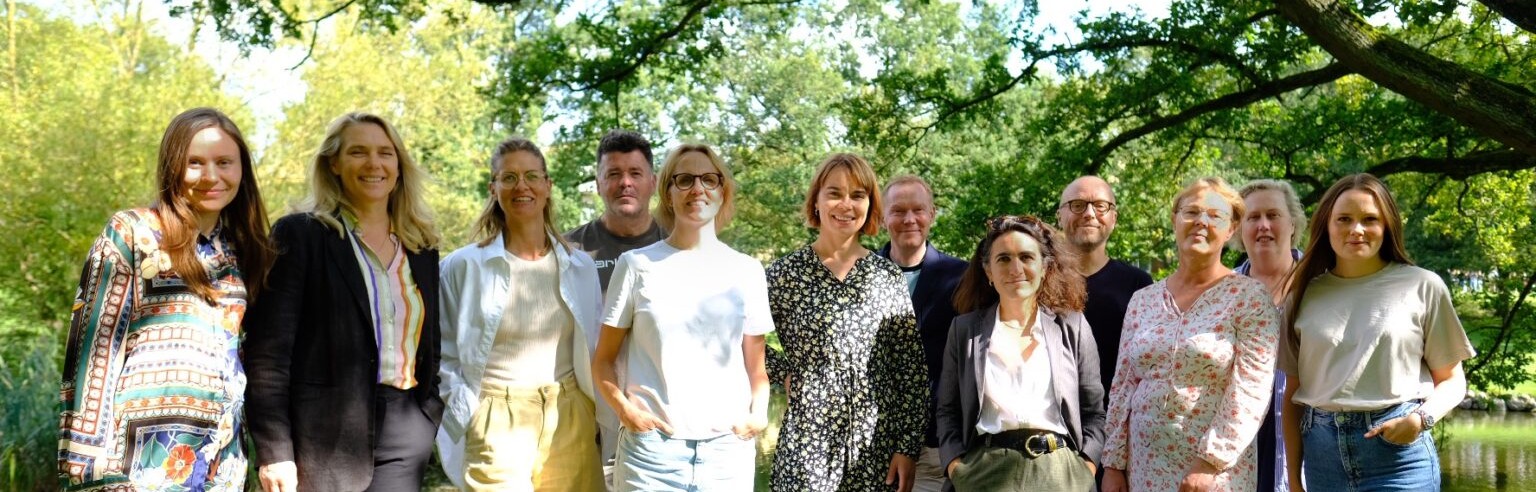
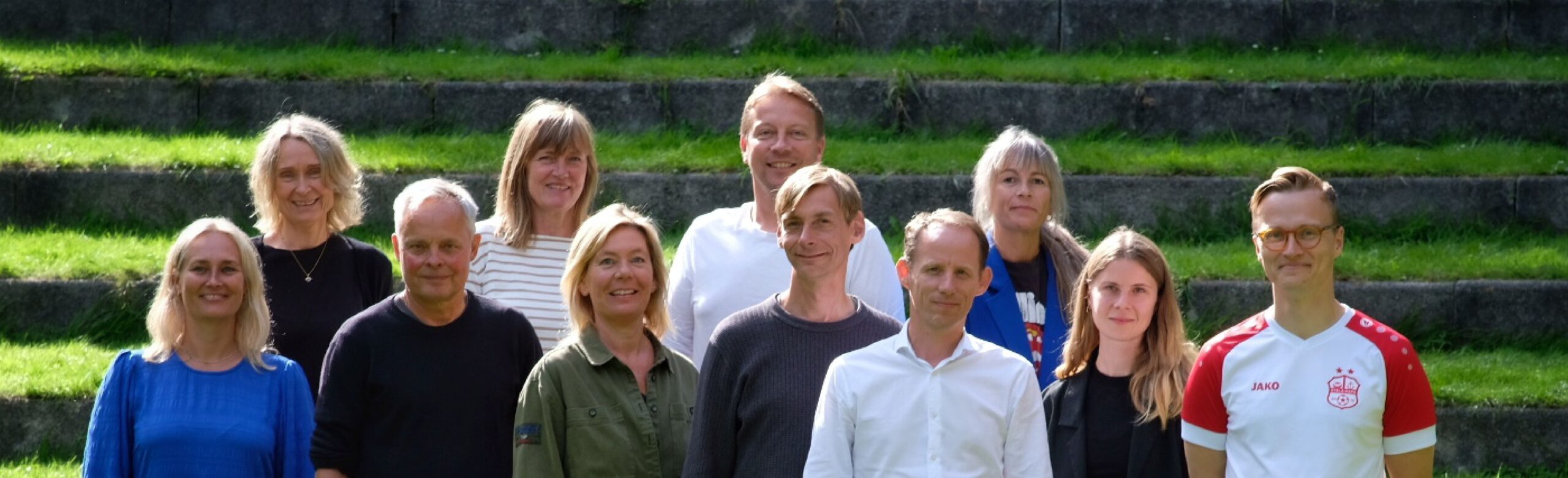
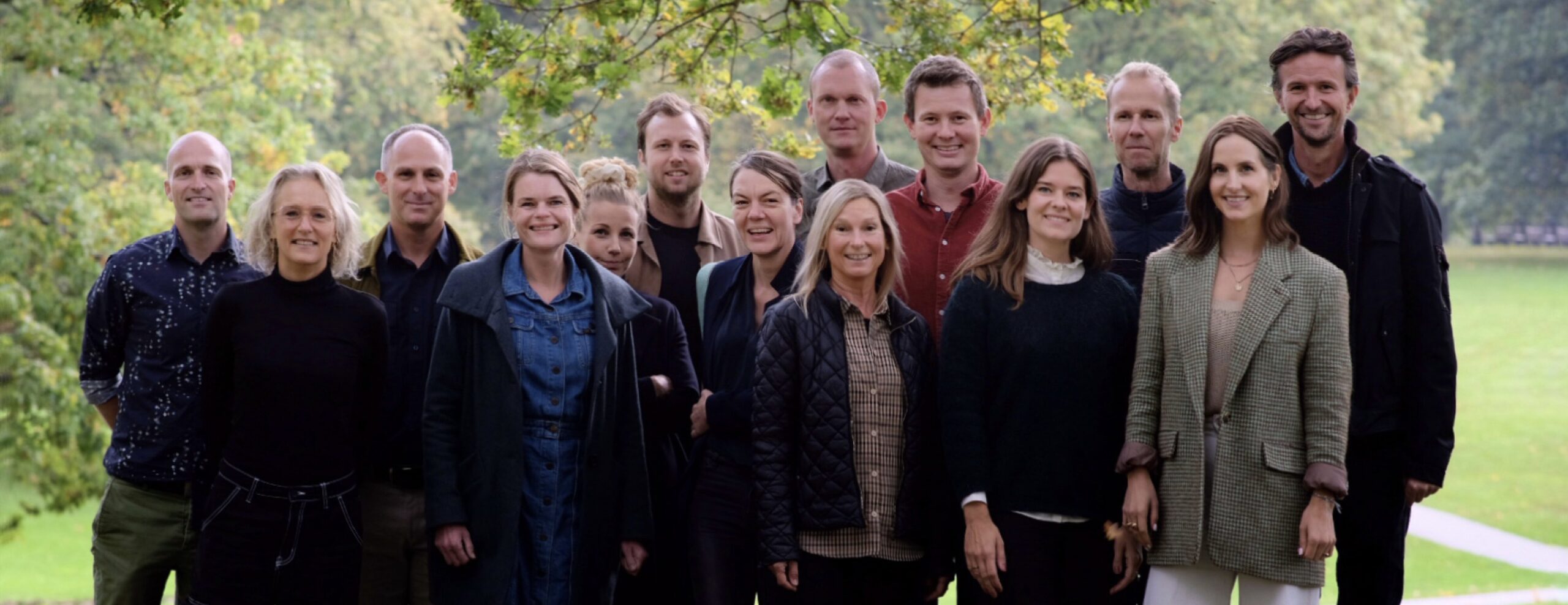
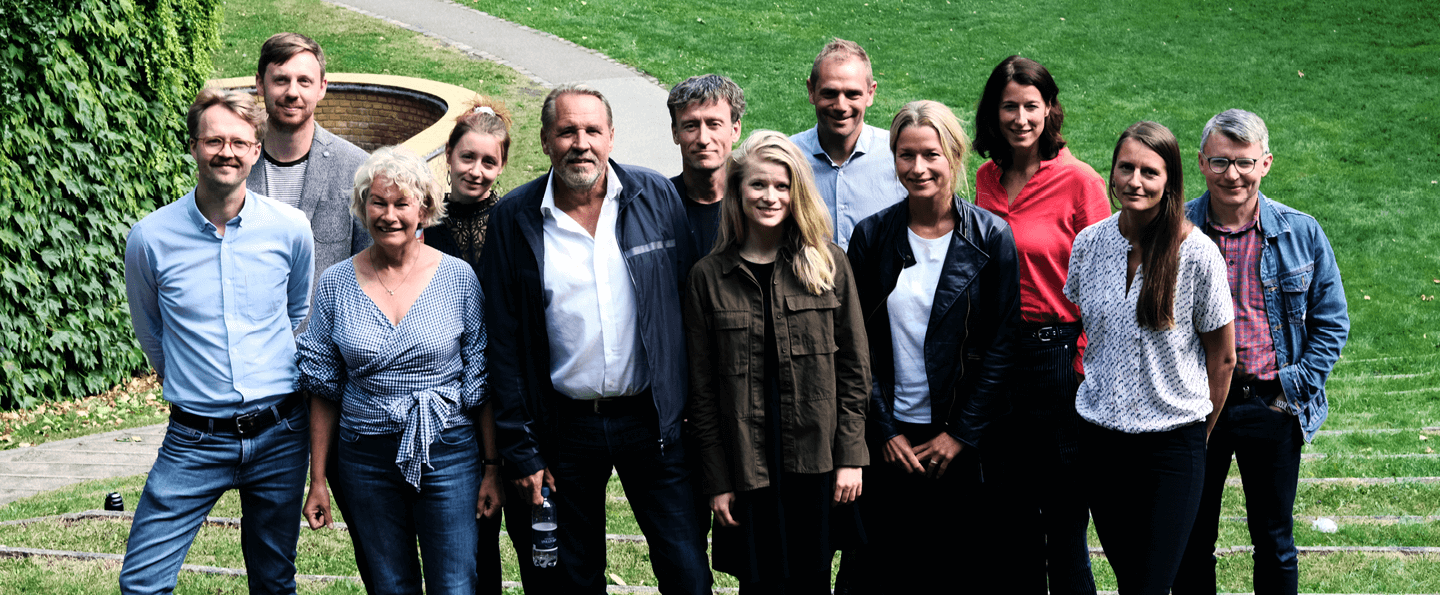
We are proud to present to you the talented constructive journalism fellows of 2025-2026.
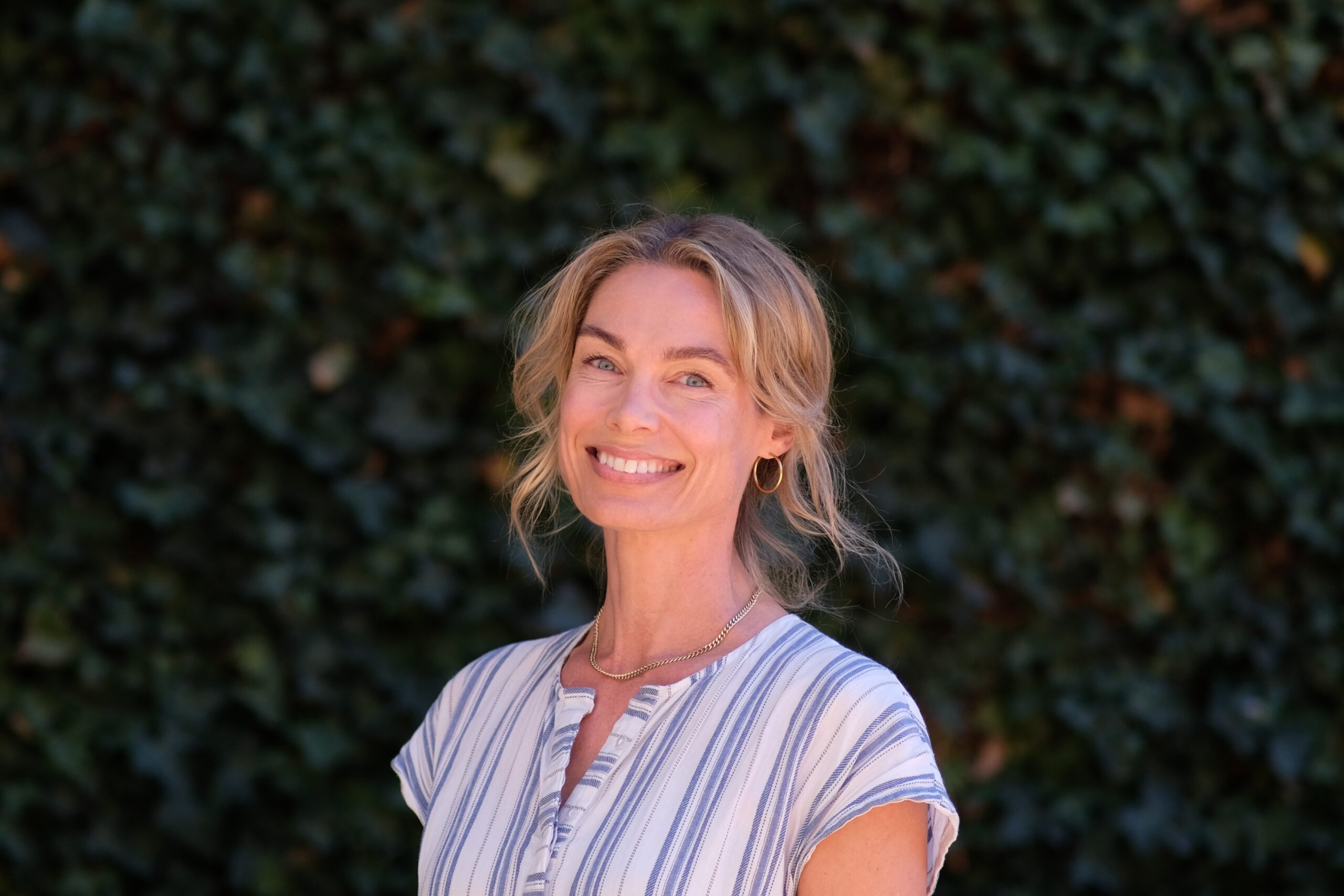
10 months of insight and a broader perspective
Some call the Constructive Institute a cult. Others dismiss it as hot air – old wine in new bottles. But those of us fortunate enough to have served as fellows at the Constructive Institute know it is anything but that. It is about insight, a broader outlook, and fresh perspectives.
At the three weekly gatherings, the program’s guiding light – Fellowship Director Orla Borg – facilitates everything from morning songs (drawn from the Danish folk high school songbook) to high-level professional discussions. The ever-inspiring CEO, Ulrik Haagerup, ensures that the institute’s principles are put into practice in the real world, while highly respected professors from Aarhus University share specialized knowledge and food for thought.
A CI fellowship also offers a unique space to examine and reflect on one’s own communication practices while exchanging experiences, approaches, and professional toolkits with fellow fellows – and finding time for deep, horizon-expanding conversations.
For me, the opportunity to attend courses at the university and at “Folkeuniversitet” was like being a kid let loose in a candy store: I wanted to taste it all and simply couldn’t get enough. I soaked up knowledge from all the skilled instructors and students.
My 10 months at CI provided a vital boost – both personally and professionally. I left the institute bubbling with enthusiasm, hopeful for the future, and motivated to tell stories in an even better, more constructive way. I also left CI with a new, enriching network of like-minded, constructive journalistic colleagues. I would therefore recommend that all journalists and media professionals apply for a fellowship. I am eternally grateful for mine.
Louise Sloth, Fellow 2025–2026
10 måneder med indsigt og udsyn
Constructive Institute er en kult, siger nogle. Det er varm luft og gammel vin på nye flasker, siger andre. Men vi, som har været så heldige at få lov til at være fellows på Constructive Institute, ved, at instituttet er alt andet end det. Det er indsigt, udsyn og nye perspektiver.
Til de tre ugentlige fællessamlinger faciliterer det faglige fyrtårn, fellowship-leder Orla Borg, både morgensang fra højskolesangbogen og faglige diskussioner på højt plan. Altid inspirerende CEO Ulrik Haagerup sikrer, at instituttets principper kommer ud at leve ude i virkeligheden. Og højt estimerede professorer fra Aarhus Universitet deler specialiseret viden og stof til eftertanke.
Et CI-fellowship tilbyder desuden et unikt rum for granskning af og refleksion over egen formidlingspraksis, når man i selskab med sine med-fellows udveksler erfaringer, tilgange og faglige værktøjskasser. Og har tid til dybe, horisontudvidende samtaler.
At man som fellow ydermere får lov til at følge fag på universitetet og Folkeuniversitetet var for mig som at være et barn sluppet løs i en slikbutik: jeg ville smage det hele, og jeg kunne slet ikke få nok. Så jeg sugede viden til mig fra alle de kompetente undervisere og studerende.
Mine 10 måneder på CI var en menneskelig og faglig vitaminindsprøjtning, og jeg forlod instituttet boblende begejstret, håbefuld for fremtiden og motiveret for at fortælle historier på en endnu bedre og mere konstruktiv måde. Jeg forlod også CI med et nyt, berigende netværk at ligesindede, konstruktive journalistkolleger. Og jeg vil derfor anbefale alle journalister og journalistiske formidlere at søge et fellowship. Jeg er evigt taknemmelig over mit.
Louise Sloth, fellow 2025-2026
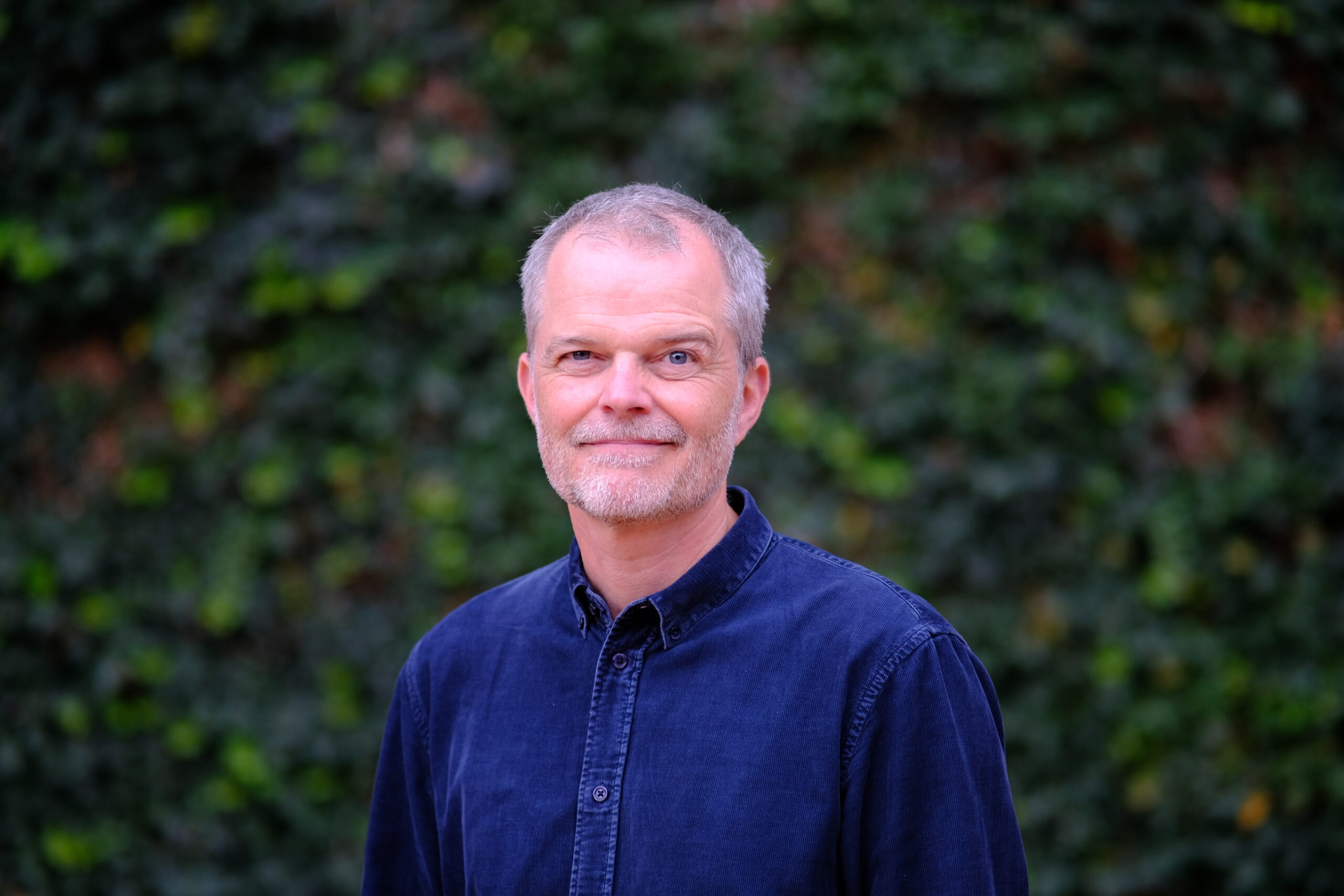
Peter Kryger’s Essay (English)
In front of me lie two black notebooks filled with scribbles: fragments of great highlights in the past
ten months, during which journalistic role models, media executives, experts and entirely ordinary
people have visited us in the lounge – a liberating phone- and computer-free space, hence the
notebooks.
When I leaf through them, names such as Bjarne Corydon, Marlene Wind, Clement Kjersgaard and
Francis Fukuyama appear. But Lars Lilholt and Jesper Vahr are there too. The former accompanied
us on the morning we sang “Kald det kærlighed”. The latter, as Denmark’s ambassador to Russia and
former ambassador to Iran and Israel, could hardly have been better casted to speak to us about the
state of the world in a spring filled with conflicts centred precisely on those countries.
The speakers in the lounge are top-tier, and their knowledge is wide-ranging, offering many different
perspectives on journalism, technology, the world and life. They all spend the morning in the lounge
solely to make us fellows wiser, just imagine that. These are visits where questions are asked,
discussions unfold and reflections take shape, while the horizon slowly expands.
That horizon also expands when you take two university courses each semester, and for me it was an
old dream come true. Three of my courses were in Political Science, and they all made perfect sense
in relation to my daily work as a journalist and the project I worked on during the fellowship. It was
wonderful to be allowed to learn again. It was also difficult, with a great deal of reading, cryptic
theories and sharp, but incredibly kind, young fellow students. The courses have made me wiser, and
I have gained a new perspective on, for example, the importance of our fragile democracy.
The third pillar of the CI fellowship is the somewhat intangible “project”. Here, you have the chance
to delve deeply into a subject in a way that a life of daily deadlines does not allow. It is rewarding
but also demanding and a little confusing to dive into. I recommend having a sharp angle, a narrow
research question and starting before Christmas.
Together, the three pillars have given me tools to adjust my journalistic focus ring to a not uncritical,
but far more nuanced, hopeful and engaging view on journalism. I intend to make use of that.
During my fellowship, I moved to Aarhus, where I found a small apartment, and I can highly
recommend it. It allows you to focus fully on CI and the other fellows in a city full of concerts,
theatre, restaurants and young people, who fill the university area, the Latin Quarter and the rest of
Aarhus with life and joy.
You can also take courses at Folkeuniversitetet. It is free through CI, and it is difficult to choose
from the gift catalogue of exciting lectures. If you are smart, you supplement the lessons with dinner
at Matematisk Kantine, where the food is as good as the prices are reasonable.
In that way, there is always something to do with your co-fellows, including in the evening. And
precisely those other fellows, who were also given a seat in the lounge, are the most valuable part of
the fellowship at CI. Kind, intelligent, inspiring and engaged people from other corners of the media
industry, with experience, knowledge and a desire to learn – also about you.
Leafing a little further through the notebooks, in one of them I find NRK, Åsne Seierstad and the
Peace Research Institute: a few of the entries from a whirlwind study trip to Oslo. In the other are
Monash University, The Guardian and DR Sydney. The fellowship’s second study trip brought us
Down Under.
In addition to the black notebooks, CI also offers a blue one, cause no morning without the Danish
Folk High School Songbook. Orla plays, and everyone sings loudly. Coffee steams in the mug, and
the sofa is soft. And that is how I will remember CI: as a warm, safe embrace with an intense, tightly
packed programme that just kept giving and giving, and led me to a new and more reflective place as
a journalist and as a person. Thank you, with gratitude, and congratulations to everyone else who
gets the same opportunity.
Peter Kryger, fellow 2025-2026
//
Peter Kryger’s Essay (Danish)
IForan mig ligger to sorte notesbøger fyldt med skriblerier; ekstrakter af store højdepunkter fra de
seneste ti måneder, hvor journalistiske forbilleder, mediechefer, eksperter og helt almindelige
mennesker har besøgt os i loungen – et befriende telefon- og computerfrit område og derfor
notesbøgerne.
Bladrer jeg, dukker navne som Bjarne Corydon, Marlene Wind, Clement Kjersgaard og Francis
Fukuyama op. Men der står også Lars Lilholt og Jesper Vahr. Førstnævnte akkompagnerede den
morgen, vi sang “Kald det kærlighed”. Sidstnævnte kunne som dansk ambassadør i Rusland, og
tidligere ambassadør i Iran og Israel, ikke være castet bedre til at fortælle os om verdenssituationen i
et forår fyldt med konflikter med netop de lande i centrum.
Oplægsholderne i loungen er fra øverste hylde, og deres viden spænder vidt med mange forskellige
vinkler på journalistik, teknologi, verden og livet. Alle bruger de formiddagen i loungen på kun at
gøre os fellows klogere, tænk engang. Besøg, hvor der spørges, diskuteres, reflekteres, mens
horisonten langsomt udvides.
Det gør den også, når man følger to fag hvert semester på universitetet, og for mig var det en gammel
drøm, som gik i opfyldelse. Tre af mine fag var på Statskundskab, og alle gav de god mening i
forhold til mit daglige arbejde som journalist og det projekt, som jeg beskæftigede mig med under
opholdet. Det var skønt at få lov til at lære igen. Det var også svært med meget læsning, kryptiske
teorier og skarpe, men utroligt søde, unge medstuderende. Fagene har gjort mig klogere, og jeg har
fået et nyt syn på for eksempel betydningen af vores skrøbelige demokrati.
Det tredje ben i CI-opholdet er det lidt uhåndgribelige ”projekt”. Her er der mulighed for at dykke
dybt ned i et emne, hvilket et liv med daglige deadlines ellers ikke tillader. Det er givende, men også
krævende og lidt forvirrende at kaste sig ud i. Jeg anbefaler en skarp vinkel, en snæver
problemformulering og at starte før jul.
Tilsammen har de tre ben givet mig værktøjer til at skrue på den journalistiske fokusring og stille
skarpt på en ikke ukritisk, men langt mere nuanceret, håbefuld og engagerende tilgang til
journalistik. Det vil jeg benytte mig af.
Under mit ophold flyttede jeg til Aarhus, hvor jeg fandt en lille lejlighed, og det kan klart anbefales.
Det giver fuld fokus på CI, de andre fellows og egen navle i en by med masser af koncerter, teater,
spisesteder og ungdom, der fylder universitetsområdet, latinerkvarteret og resten af Aarhus med liv
og glæde.
Man kan også følge fag på Folkeuniversitetet. Det er gratis via CI, og det er svært at vælge i
gavekataloget af spændende foredrag. Er man smart, suppleres lektionerne med aftensmad i
Matematisk Kantine, hvor maden er lige så god, som priserne er overkommelige.
Der er altså altid noget at gøre med de andre fellows, også om aftenen. Og netop de andre, der også
fik en plads i loungen, er det mest værdifulde ved opholdet på CI. Søde, kloge, inspirerende,
nærværende mennesker fra andre afkroge af mediebranchen med erfaringer, viden og lyst til at lære –
også dig at kende.
Bladrer jeg lidt videre i notesbøgerne, står der i den ene NRK, Åsne Seierstad og Fredsinstituttet: Et
par af punkterne fra en hæsblæsende studietur til Oslo. I den anden står der Monash University,
Guardian og DR-Sydney. Opholdets anden studietur bragte os Down Under.
Ud over de sorte bøger, byder CI også på en blå, for ingen morgen uden Højskolesangbogen. Orla
spiller og alle synger højt. I kruset damper kaffen og sofaen er blød. Og sådan vil jeg huske CI: Som
en rar, tryg favn med et eksplosivt, tætpakket program, der bare gav og gav og førte mig et nyt og
mere reflekteret sted hen som journalist og menneske. Tak i taknemmelighed og tillykke til alle
andre, der får samme mulighed.
Peter Kryger, fellow 2025-2026
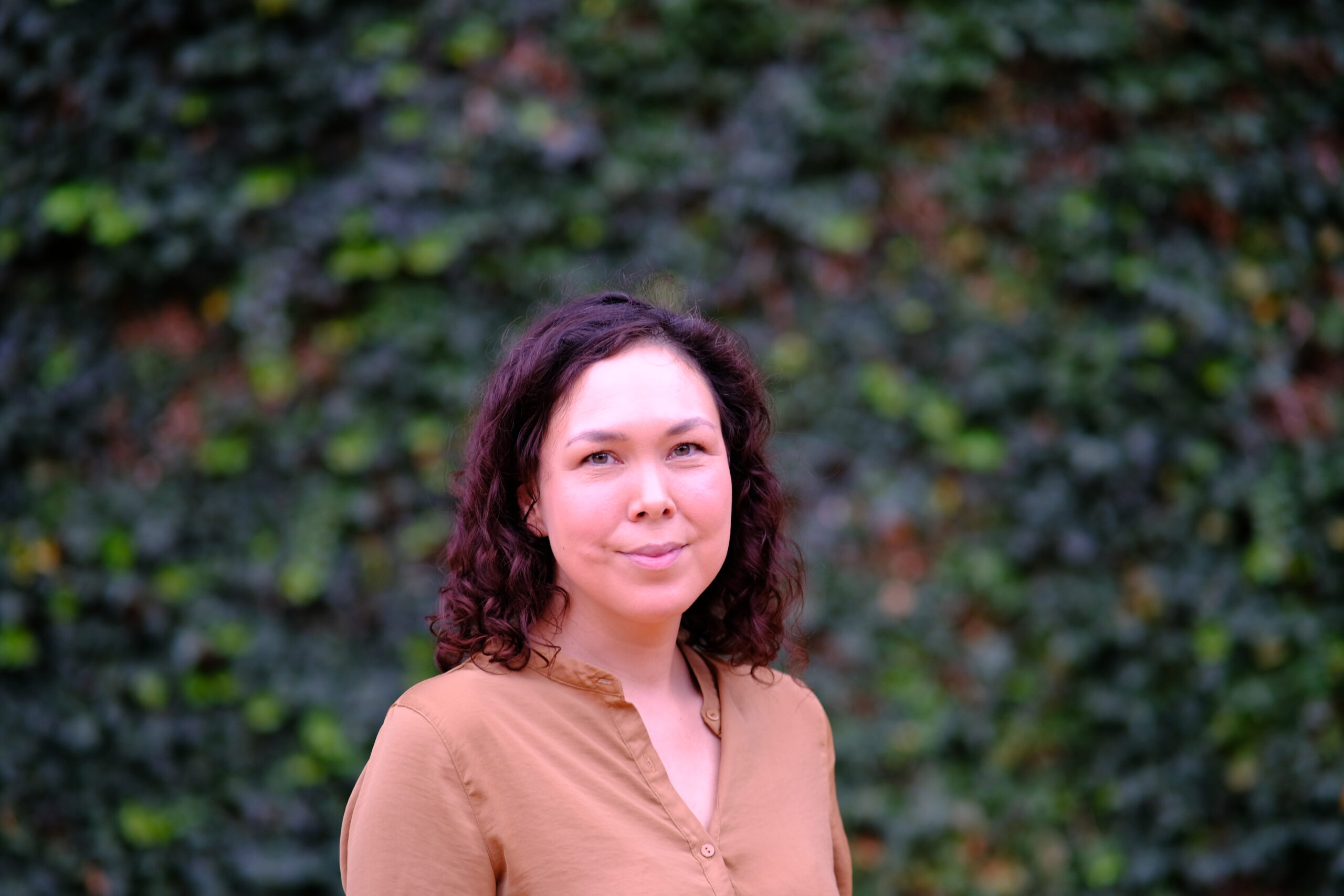
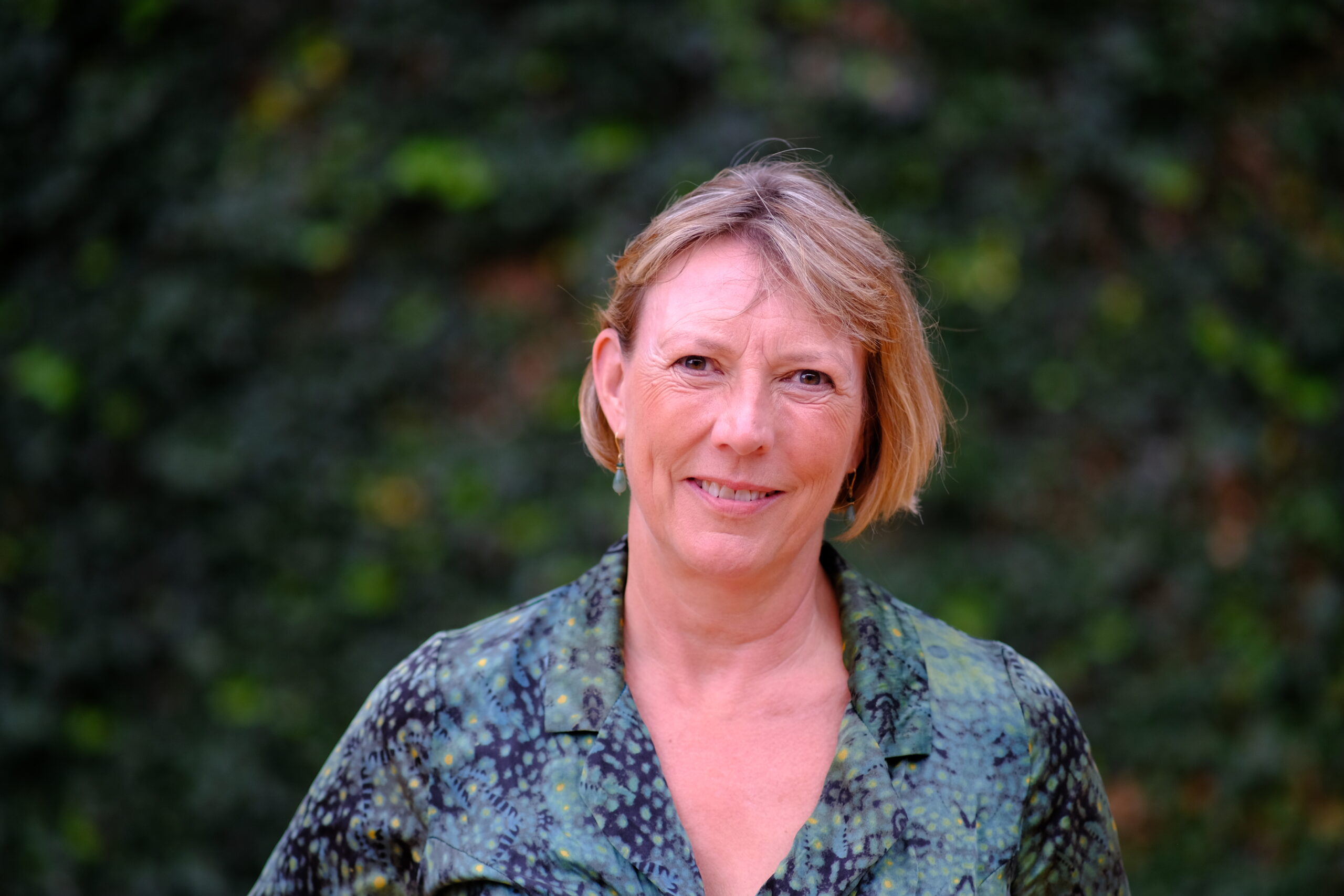
A magical year in the name of journalism
I’ve been dreaming about studying at Constructive Institute for many years, and I 2025/2026 I got the opportunity to participate as a Fellow on team number nine.
Even though my hopes were high, the study, the people and the stay in Aarhus totally exceeded my expectations.
From the very first week, we set off to several cultural institutions in Aarhus, meeting their top leaders to understand, how they successfully reach their audience and make people voluntarily pay hundreds, even thousands of Danish kroner to go to concerts, theater plays and museums.
How can the Media learn from that – maybe we can be more distinct and invite our audiences to be part of our world. Maybe we can reach our readers/viewers/listeners in a better way.
In the Lounge (a cosy place with sofas making it up for a ‘classroom’) we met three days a week, always beginning the day with a song in the danish folk high school tradition.
Professors from different sections were invited to tell us about the human brain (why is it always showing more interest, when bad/negative/dramatics news are served), the state of Danish democracy (how the downfall of media can be a real threat) or international politics (how do understand the world and how to cover it in a realistic and nuanced way).
Other days we were inspired by editors or other journalists, and always the room was full of inspired questions, suggestions and takeaways.
On study trips to Oslo and Melbourne and Sydney, we were presented with a lot of challenges and solutions from almost all parts of the media landscape. It made a big impression to see constructive journalism being used in a successful way both north and south of Denmark. And to feel how dedicated journalists are to make new ways of reaching their readers.
Team nine are a bunch of journalists from tv, radio and newspapers, big and small – plus a fellow from anthropology at Aarhus University. This diverse group of people were able to acquire the new knowledge presented to us and try to make it our own. We had the opportunity and time to get to the bottom of why we became journalists, have very deep discussions on ethics, dilemmas, where we maybe failed. Where media fails.
Discussions, that are rare in our busy everyday lives, even though we’re in a tough business with a lot of cut downs and changes.
We became friends.
When not in the lounge, I took courses at Aarhus University to broaden my perspective on climate, nature and science. In the fall the class ‘Arts of living on a damaged planet’ opened new ways to understand how humans and nature (we are nature, but still) can live together. I also bring back new ideas and a bunch of new sources for stories yet to be told.
It was a course meant for all kinds of humanistic students, people studying music, anthropology, literature. And it was very international, I studied alongside young people from New Zealand, US, China, Taiwan, Germany and many others.
The course called ‘The history of natural science and technological ideas’ was mind blowing, showing how newly found knowledge is affected by its time and society when it’s presented. From Copernicus, who published his important discovery in the year 1543 till Oppenheimer, from Rachel Carsons Silent Spring to Mahatma Gandhi’s understanding of science, it was obvious, that there is no such thing as a final truth. Today’s findings might be overruled by new findings tomorrow. Scientists know and respect this. But this way of looking at the world can be misused, for instance by people who don’t like the latest results.
During the spring semester I studied conflict studies, Conflict Transformation. Understanding conflict is crucial for me when covering climate and nature. I had many takeaways, it’s hard to solve conflicts and relatively easy to make them worse. But still, people all over the world have succeeded in reaching relative peace.
Finally, I studied Politics and Economics in Nature- and Environmental management with biology students, who soon will be sitting in Danish municipalities, foundations or other places working with cost benefit analysis, nature conservation and more.
I’m returning to Politiken bringing a lot of new knowledge, sources, energy and a strengthened love for Journalism. I hope to bring solutions and user involvement into more of my work, and maybe inspire others. And – most importantly – I have an amazing group of people to turn to, when I need help, feedback and inspiration.
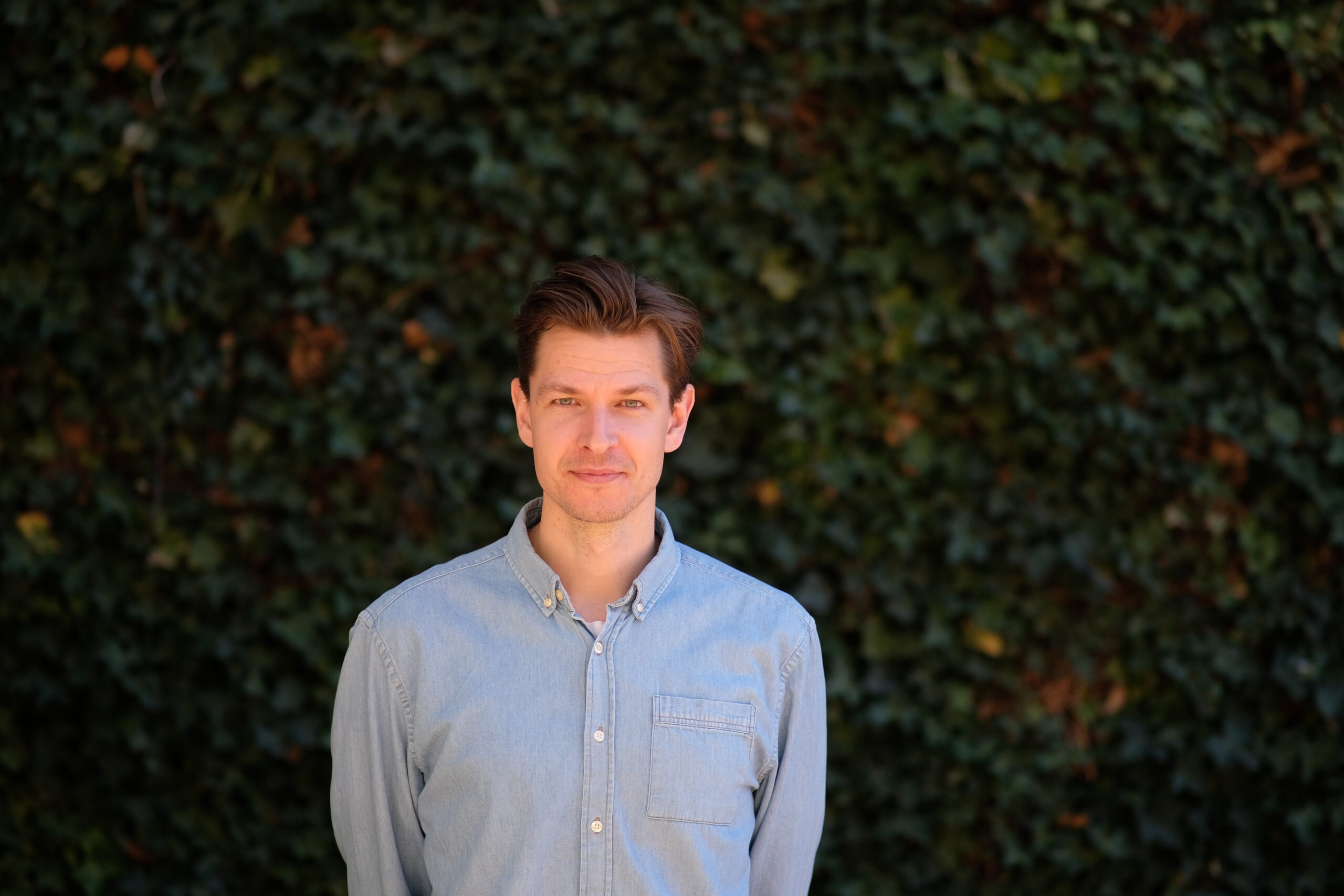
What would you do if you were not afraid?
During one of our first days at the Constructive Institute, we were introduced to a question that stayed with me:
What would you do if you were not afraid?
On the one hand, it felt like an annoyingly clever leadership question. A bit too slick. On the other hand, it was also a challenging question, because it touches something that I – and probably many others – do not always make time to think about when everyday life is filled with emails, meetings and deadlines.
My new fellow fellows and I were not asked to answer the question. It was simply thrown into the lounge. Then it hung there. Available to anyone who wanted to use it. And it kept echoing in me as I settled into life at the institute and the university.
At Aarhus University, I have followed courses on artificial intelligence at the Department of Political Science. Together with the other fellows, I have learned about and discussed constructive journalism. We have met journalists, editors and media people and talked about our profession and more constructive approaches to journalism – in the lounge, on trips around Denmark and during a study trip to Australia. And together with the two other AI Explorers, I have worked on a project about Danish media coverage of AI in Danish companies.
All in all, it can best be described as one long course of continuing education. A professional buffet that would otherwise take an entire working life to save up enough training days for.
Even so, something else takes up at least as much space as I reach the end of my fellowship: the community with my fellow fellows, who have shared so much of themselves – professionally and personally.
We have taken turns giving talks to each other, trying to understand and explain how we became the people we are. At work and in life. I listened to the others describe their paths through life and working life. Difficult choices, changes of direction, doubt, victories and defeats. And along the way, I noticed how many of the other fellows were able to play music – and how much joy they found in it.
That made an impression on me. Not because playing music is important in itself. But because it reminded me of an old wish that I had never really acted on.
And then the question returned:
What would you do if you were not afraid?
When I gave my own life talk, I ended by saying that – inspired by morning singing in the lounge and by my music-playing fellow fellows – I wanted to buy a small guitar and learn to play it.
“Then you can play a song at the end of the fellowship,” said Orla Borg, the guitar-playing head of the fellowship programme, almost immediately.
And suddenly I became a little afraid.
Me? Play a song? In front of other people?
Because saying that I wanted to learn something new was one thing. Doing it in front of others was something else. And doing it while it was still new, unfinished and uncertain was something else entirely.
On the final day, I played a small song for my fellow fellows and the staff at the institute. It was not perfect. Far from it. It was not supposed to be. I was probably not truly afraid. Maybe I was just a little nervous. But for me, it became an image of what can happen when you are given the chance to be a fellow.
You get time to think. But you also feel the urge to act. You meet people who gently push you out of your usual tracks. You get new ideas, but also the courage to test them before they are fully formed. In working life. In journalism. And sometimes also in private life.
So what I take from five months at the Constructive Institute is much more than a constructive view of journalism and an AI project about media coverage of artificial intelligence in Danish companies. It is also an experience of what a community can set in motion when people are given time, trust and a gentle push.
I will carry that with me.
What would you do if you were not afraid?
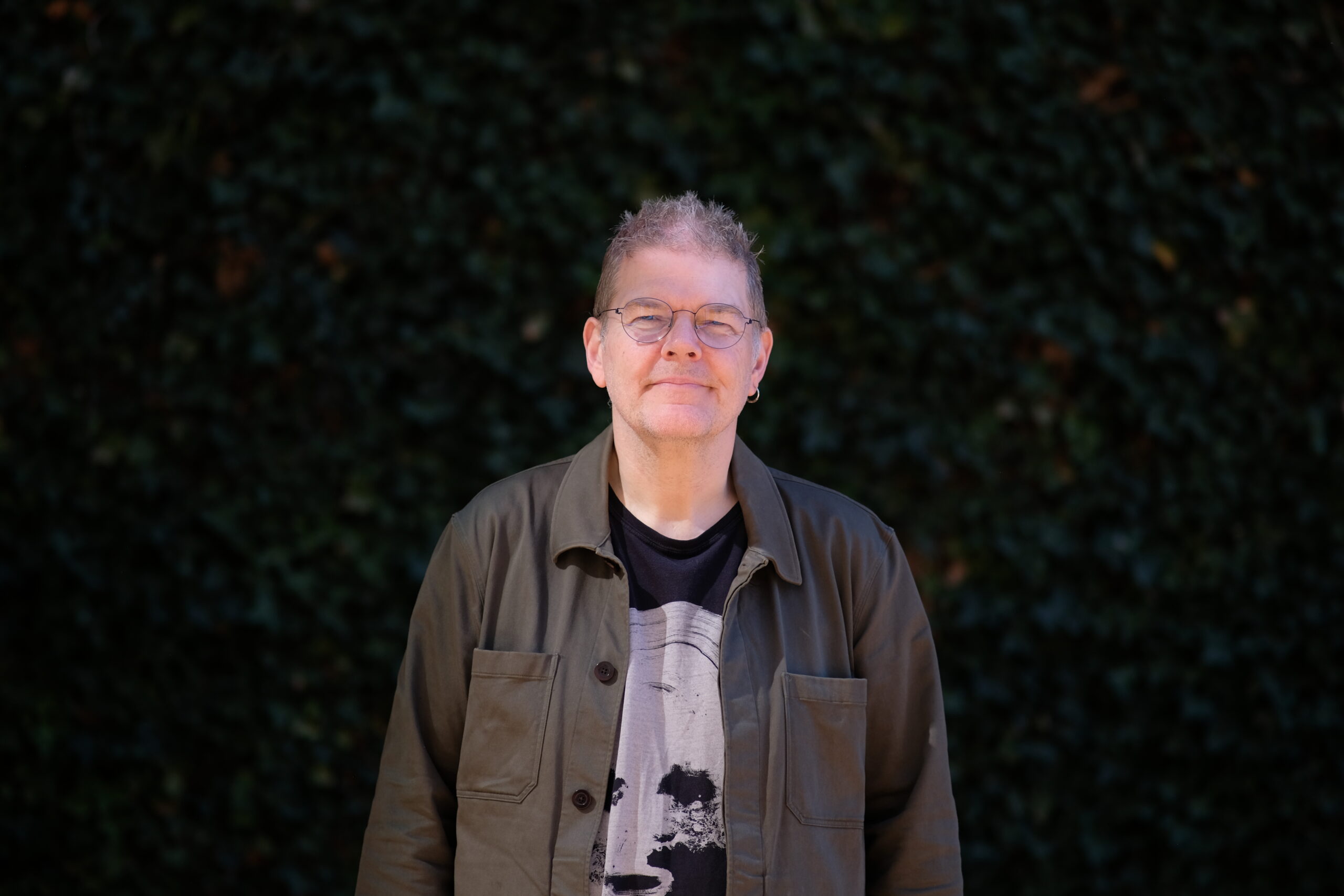
I applied to the Constructive Institute because, after 20 years in the news industry, I felt the need both to broaden my professional horizons and to engage in deeper self-reflection. Both regarding my craft and to the role I play as a journalist in a society such as the Danish.
When you work under daily deadlines, it is easy to lose perspective amid the constant stream of potential stories competing for your attention. At what point does an issue become significant enough to place it at the very top of the media agenda? And what does “significance” actually mean in a society where a growing number of Danes actively avoid the news that journalists and media organisations choose to prioritise and place at the forefront of the democratic conversation?
By definition, “constructiveness” is a positive concept. With that in mind, I approached my five months as a fellow at the Constructive Institute with both optimism and high expectations. But is constructive journalism the answer to preserving something so fundamentally important to democracy, that citizens remain genuinely engaged with it?
Let me put it this way: it certainly does no harm.
It certainly does no harm to try to inspire hope in those who have lost it. Nor does it likely do any harm to bring greater nuance to democratic debate when it so often becomes so black and white that it divides us more than it unites us as members of society. And it certainly does no harm for journalists, from time to time, to ask people other than themselves what truly matters and what matters less.
If we do these things – if we inspire hope, add nuance, and take a genuine interest in the people we serve and work for – our audiences – maybe over time we will discover a meaningful overlap between what is significant and what is constructive. But there is an important caveat.
In my view, constructive journalism must be careful not to become a self-important Sunday sermon preached to the already converted. The responsibility for preventing that rests solely with those of us who actually know what constructive journalism is.
We must remember to recognise and celebrate constructiveness whenever we encounter it in our daily work. We must nurture the small seeds of hope, nuance, and constructive perspectives that our colleagues plant around newsroom conference tables every single day.
This is particularly important when our colleagues do not themselves describe what they are doing as constructive journalism. Because although words matter, although language shapes our perception of reality, and although we are taught from the very first day of our training that it is important to call things by their proper names, the name of the creature in this particular revelation is ultimately irrelevant.
Its meaning, however, is of critical importance.
Knud Lind, Fellow, Constructive Institute, 2026.
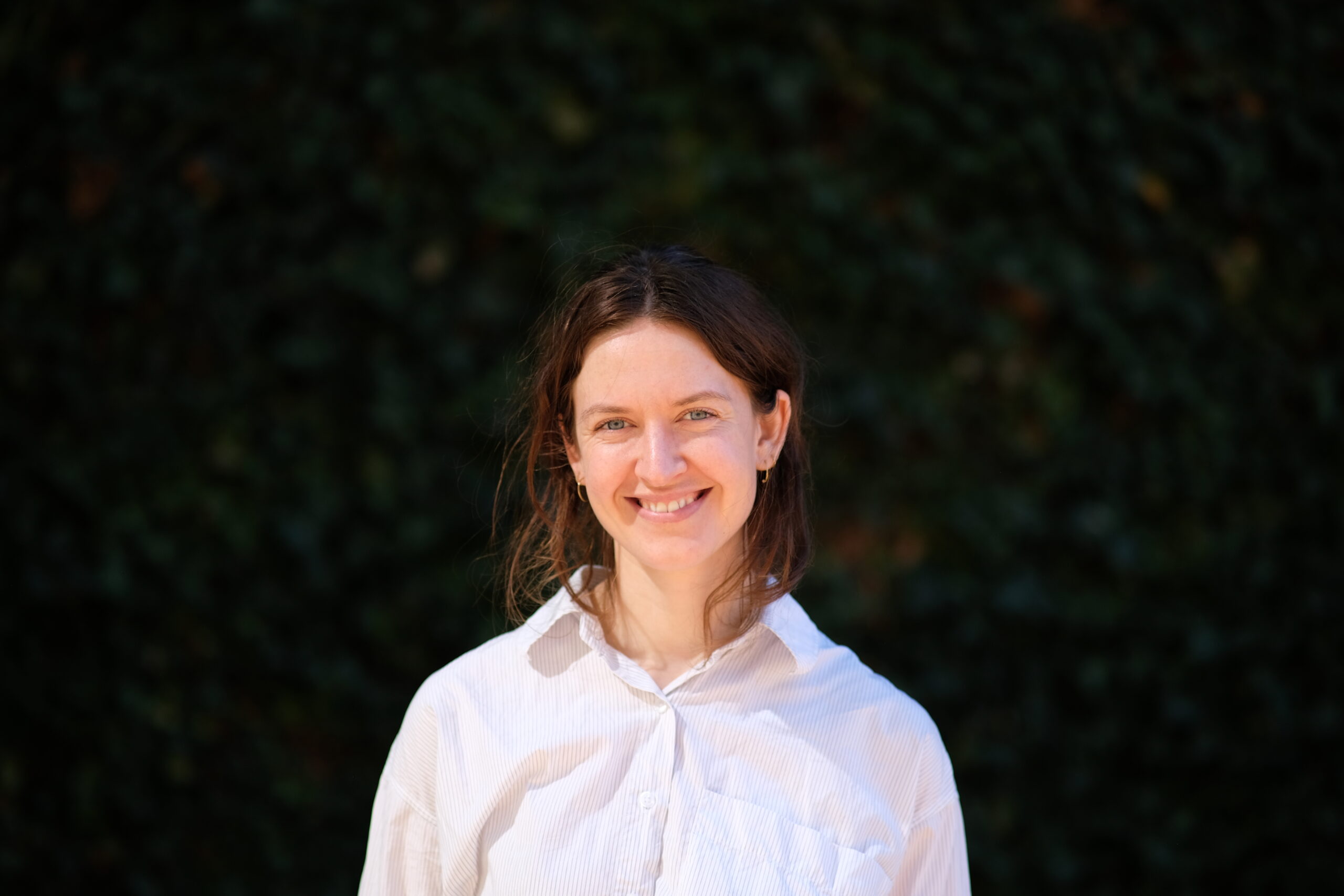
Five months of reflection, inspiration and a renewed apetite for journalism
I must admit that I was a little nervous about returning to student life just five years after graduating as a journalist. But in a working life dominated by deadlines, insatiable news sites and endless amounts of data, I needed to pause and rediscover journalism. In particular, I wanted to explore how we as journalists can learn new approaches that make our work even more relevant to our readers.
For five months, it has been a privilege to absorb new knowledge, new perspectives and challenging viewpoints. Above all, I have broadened my horizons, taken off my blinders and changed the way I look at my work. I have moved away from seeing “products” in everything I explore. Instead, my curiosity has been awakened, and I have allowed myself to be inspired. I believe that is something every journalist should experience from time to time.
At the same time, we have spent time reflecting on the role and responsibility of journalism — not least in a world where technology and AI are advancing rapidly. What is journalism for? Who should it serve? Journalism is essential to a strong democracy, and we must not lose sight of that mission. Thank you for reminding us of this when the daily grind can make us forget the bigger purpose. We have had stimulating professional conversations, and it has been incredibly rewarding to hear perspectives from other journalists with very different backgrounds and experiences.
The network I take with me from CI is invaluable. I have never before had the opportunity to meet other journalists in a setting where such a safe space has been created for exchanging ideas, sharing knowledge and learning from one another. It is a network I will cherish in the future, and I am sure we will benefit greatly from one another. For a young journalist like me, it has also been especially valuable to meet more experienced journalists. Beyond all the professional insights, I have taken in many human reflections — on working life, boundaries and life itself. I have no doubt that this will give me courage when I return to everyday working life.
So what do I bring back to my workplace, Børsen? I will be honest and say that I was somewhat skeptical of constructive journalism before I began. Was it simply about being positive and looking for solutions? What I take with me first and foremost is that constructive journalism is not a rejection of critical journalism, but a way to make it more nuanced, more useful and perhaps more relevant.
I would very much like to continue working with what I have learned about audience engagement. Børsen has highly knowledgeable readers, and from my perspective, there is currently untapped potential to build an even stronger relationship with them while also strengthening the democratic conversation.
In addition, the fellowship has given me an appetite for exploring and creating journalism in new formats. I would like to turn the process around, so that we spend more time considering how we want to tell a story to our readers before deciding exactly what we want to tell. I hope to bring home not only new ideas, but also the courage to test them through new formats, new questions for readers and new ways of opening up financial journalism. Perhaps rethinking the way we tell stories can make readers more interested and strengthen our relationship with them.
Finally, I will of course also bring with me the results from our AI project. I will remember what nuance can bring to the coverage of a topic and hold on to perspective, solutions and a critical eye, even when a steadily growing number of stakeholders in the business world try to pitch their own angles.
All in all: Thank you for a fantastic fellowship.
My fellowship at Constructive Institute
In the spring of 2026, my employer sent me to Constructive Institute as a fellow to explore how media organisations can best embed constructive journalism in their newsrooms.
The five months I spent as a fellow have been a truly unique opportunity to think more deeply about why we, as media organisations, actually do journalism. The experience has given me so much valuable knowledge and insight to carry with me in my journalistic work.
During my fellowship at Constructive Institute, I gained so many new insights and skills that have contributed to my professional development and made me an even stronger journalist.
In the lounge, where the fellows gather, there is a special atmosphere — a place where journalism and its role in the modern world can be discussed and debated openly and in a spirit of trust.
Throughout the fellowship, we were visited by a wide range of inspiring speakers with expert knowledge of society and journalism. I learned a great deal about, among other things, trust, the impact of social media on children, and the thinking behind Denmark’s biggest debate programme on television.
In addition to the journalistic and societal discussions and talks, fellows also have a unique opportunity to take courses at Aarhus University.
I took two courses: one in political science on affective polarisation among voters, and one in psychology on work and organisational psychology.
Both courses were extremely interesting and rewarding. But as a journalist, it was especially exciting to have the opportunity to take a course in the psychology programme — a course that proved highly relevant both to my project and to my future working life.
During the fellowship, there were also two study trips, to Norway and Australia. Both trips were incredibly valuable, and in both places we met inspiring journalists, editors and media leaders. They really helped put my view of the media industry into perspective and sent me back to Denmark with renewed inspiration.
The project I worked on during the fellowship was also an enormously rewarding process.
I contacted media leaders in both Denmark and Norway to learn about their experience with embedding constructive journalism. Everywhere I went, I was met with openness and a willingness to share the lessons they had learned. It was a highly valuable experience, and the process of developing the project and writing the report has given me so many professional tools that I will be able to use for the rest of my career.
If you are considering whether to apply for a fellowship, my clear advice is: do it.
You get a completely unique opportunity to step away from the daily treadmill and instead work in depth with journalism and the media industry.
And on top of that, you form relationships that can last a lifetime, with people who share the same passion for journalism as you do. I certainly have.
So apply for a fellowship. You will not regret it.
CI Art Gallery Land – sign up!
On Friday, June 19, we gathered in the lounge as we always did and reached for the folk high school songbook. But we all knew there would be nothing ordinary about this day. It was the very last day for “Team 9” at Constructive Institute. In fact, over the past five months, there has hardly been anything that could be called routine, apart from the songbook.
For me, my time at CI has been a combination of an art gallery and an amusement park.
I completely let go of everyday life and was guided from one “attraction” to the next, without having to think about deadlines or newsroom schedules back home. The attractions, in this case, were talks by incredibly interesting people, fascinating university courses, and inspiring excursions.
But like an art gallery, there was also time to stop and immerse yourself in each “work”. Time for interpretation, discussion, and for new perspectives to unfold.
In other words, the five months at CI have given me a new language for the kind of journalism I was already drawn to, but never fully understood. I have returned to the core of why I entered this profession in the first place. I was surprised. I have gained new ideas. I have been overwhelmed by extraordinary experiences. And I have become wiser about myself and the world around me. Both the journalistic world and the one beyond it.
Just as you can find yourself standing in an amusement park on a busy summer day, surrounded by long queues, lacking direction, and wondering, “What am I actually doing here?”, I found myself asking the same question during the fellowship. Will I be able to finish my report? Do I have anything interesting to ask? Can I challenge aspects of constructive journalism?
But in CI Art Gallery Land, there is also time and space for doubt. Time to discuss, reflect, and question. It simply requires giving yourself permission to listen, absorb knowledge, and be inspired. And as for the report, there was time for that too.
On Friday, June 19, the final song was sung for me as a fellow at Constructive Institute, and I still find it hard to believe that my photograph and my report have now been added to the “gallery”.
I leave with a stronger belief that journalism is not only about exposing what is wrong, but also about understanding people, nuances, and possibilities.
So if you are ready for an experience where greater knowledge does not necessarily lead to more answers, but often to more questions, and where you are encouraged to look beyond the tip of your own journalistic nose, then go. You will not regret it.
If it were possible, I would happily buy a ticket all over again.