‘Your Vote. Our Denmark’ was a national partnership between media, non-profit foundations, journalism education and private and public institutions that wanted to engage Danes in the 2025 municipal and regional elections.
Do you prefer to read in Danish? Click here.
Your Vote. Our Denmark
Constructive Institute initiated “Your Vote. Our Denmark” – a historic collaboration and national partnership leading up to the municipal and regional elections in 2025.
In a completely unique collaborative project, virtually all local and regional newspapers participated. So did the TV 2 regions, DR’s districts and the journalism programs at DMJX, SDU and RUC. The initiative was funded by VELUX FONDEN, TrygFonden, Tuborgfondet, Jyllands-Postens Fond, KL and Danish Regions. Danish Minister of Culture Jakob Engel-Schmidt also supported it.
“Your Vote. Our Denmark” consisted of, among other things, Denmark’s largest opinion poll to date from Epinion, a new fact test from Danmarks Statistik, participation of more than 350 journalism students in the media, and joint innovation between newspapers. We facilitated eight workshops for journalists and editors, five rallies for political candidates, two bootcamps for journalism students and 10 election festivals for voters leading up to the election day on November 18th 2025.
Our ambition was to connect constructive journalism with constructive politics and constructive citizens to ensure and facilitate the public conversation. The one that builds bridges in society. It is crucial.
Not just when we have to vote. But because we live in a democracy where we choose our own leaders through dialogue.
Ulrik Haagerup, founder and CEO, Constructive Institute.
Esben Seerup, Project Lead at ‘Your Vote. Our Denmark’.
Activities
Scroll over the pictures to read about the different activities in ‘Your Vote. Our Denmark’.
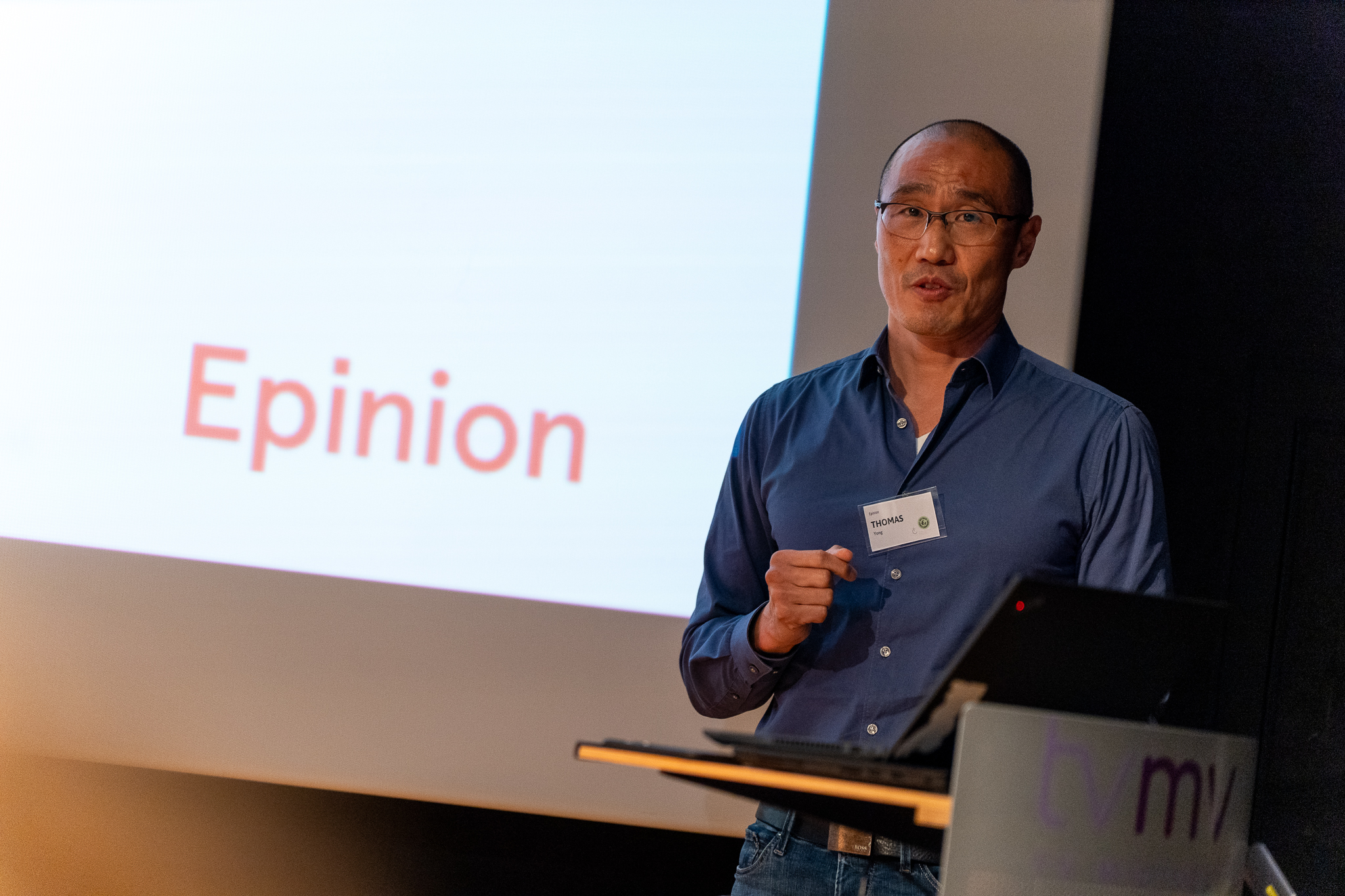
Danmarks Statistik, Gravercentret and Epinion provided data, research and opinion polls to help journalists, citizens and candidates qualify the debate.
Data from Epinion and Danmarks Statistik
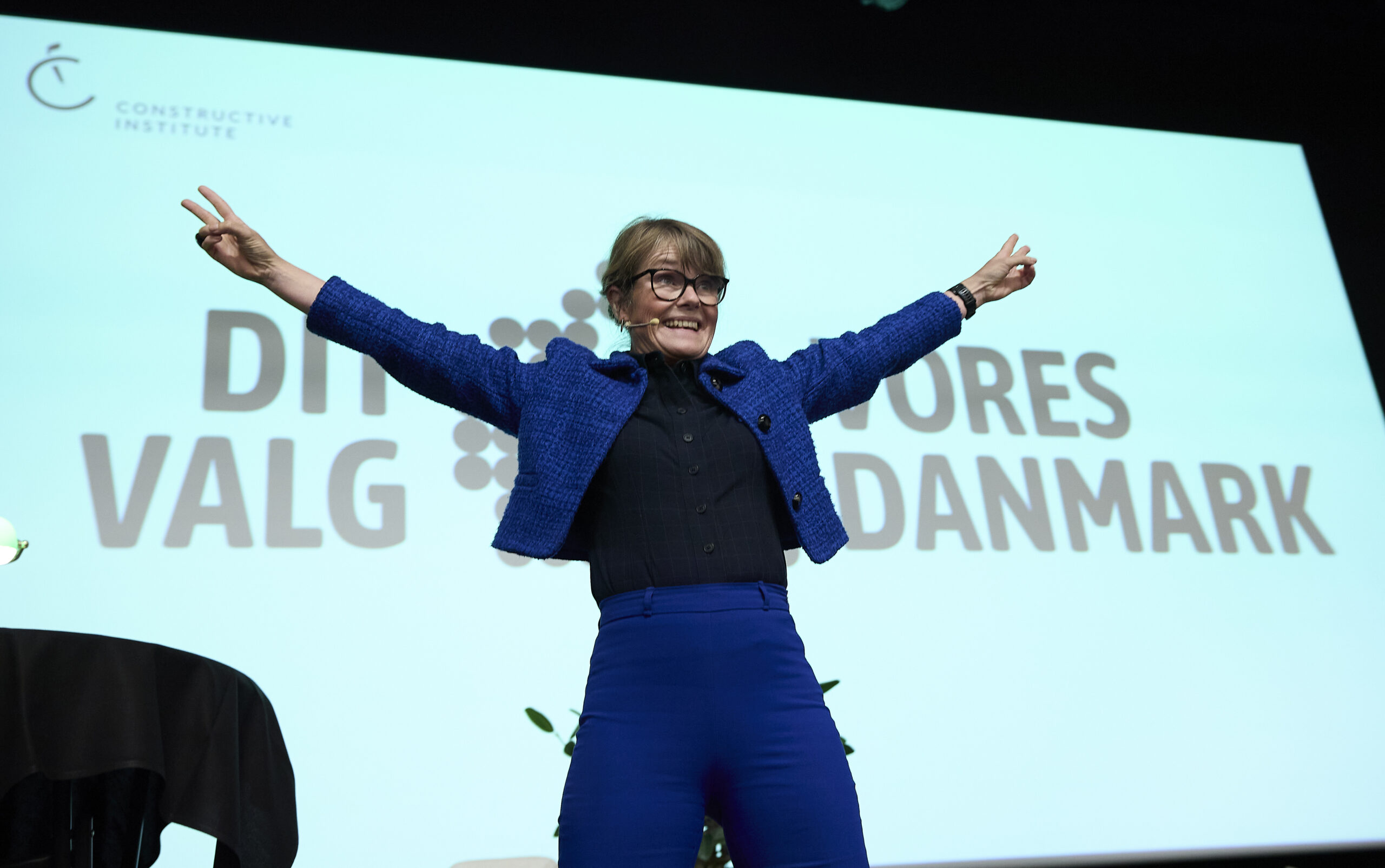
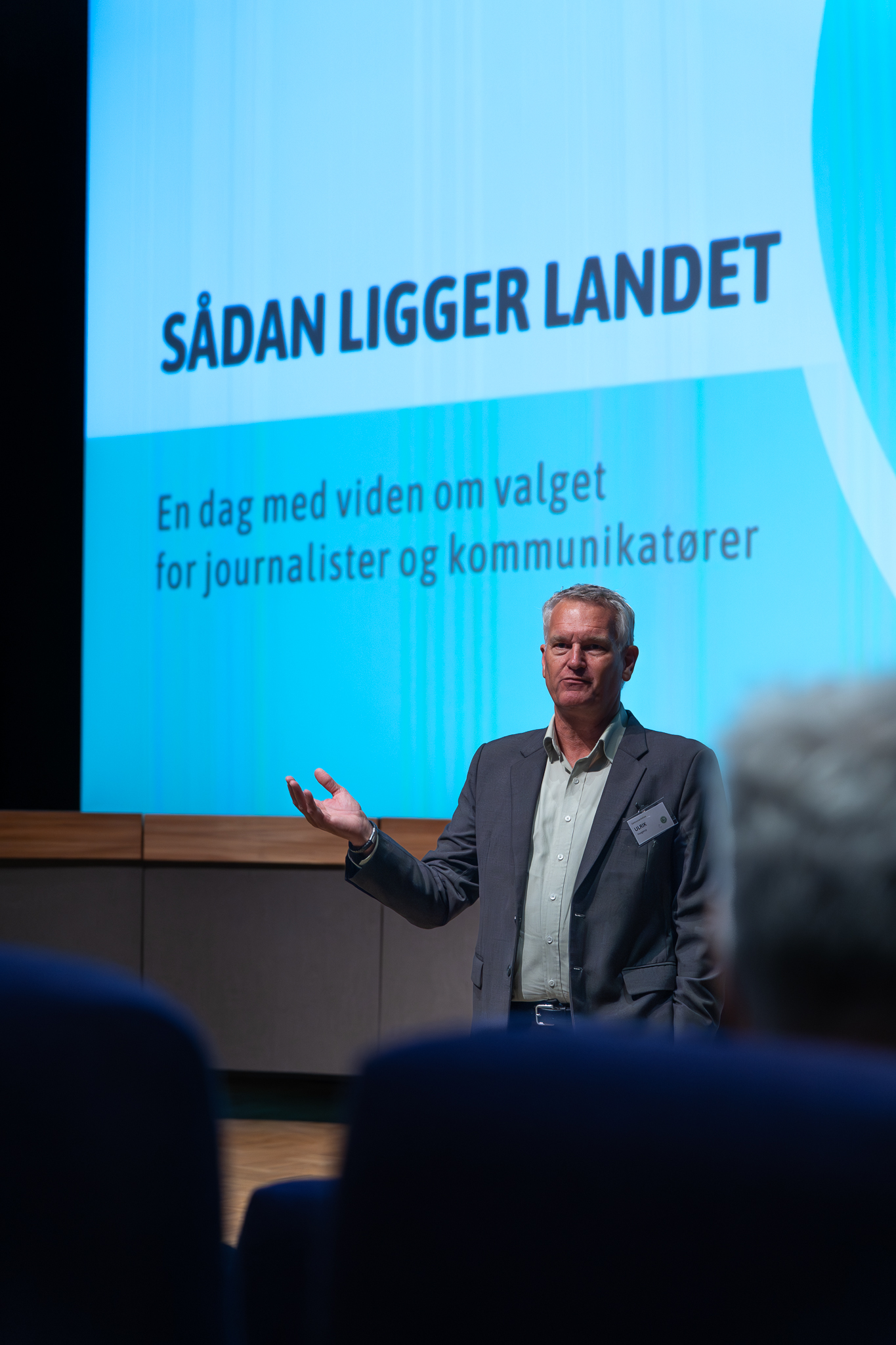
At eight workshops across the country, journalists were inspired to cover the election campaign constructively with presentations from Constructive Institute, Epinion, Danmarks Statistik, and local and regional politicians.
Workshops for journalists
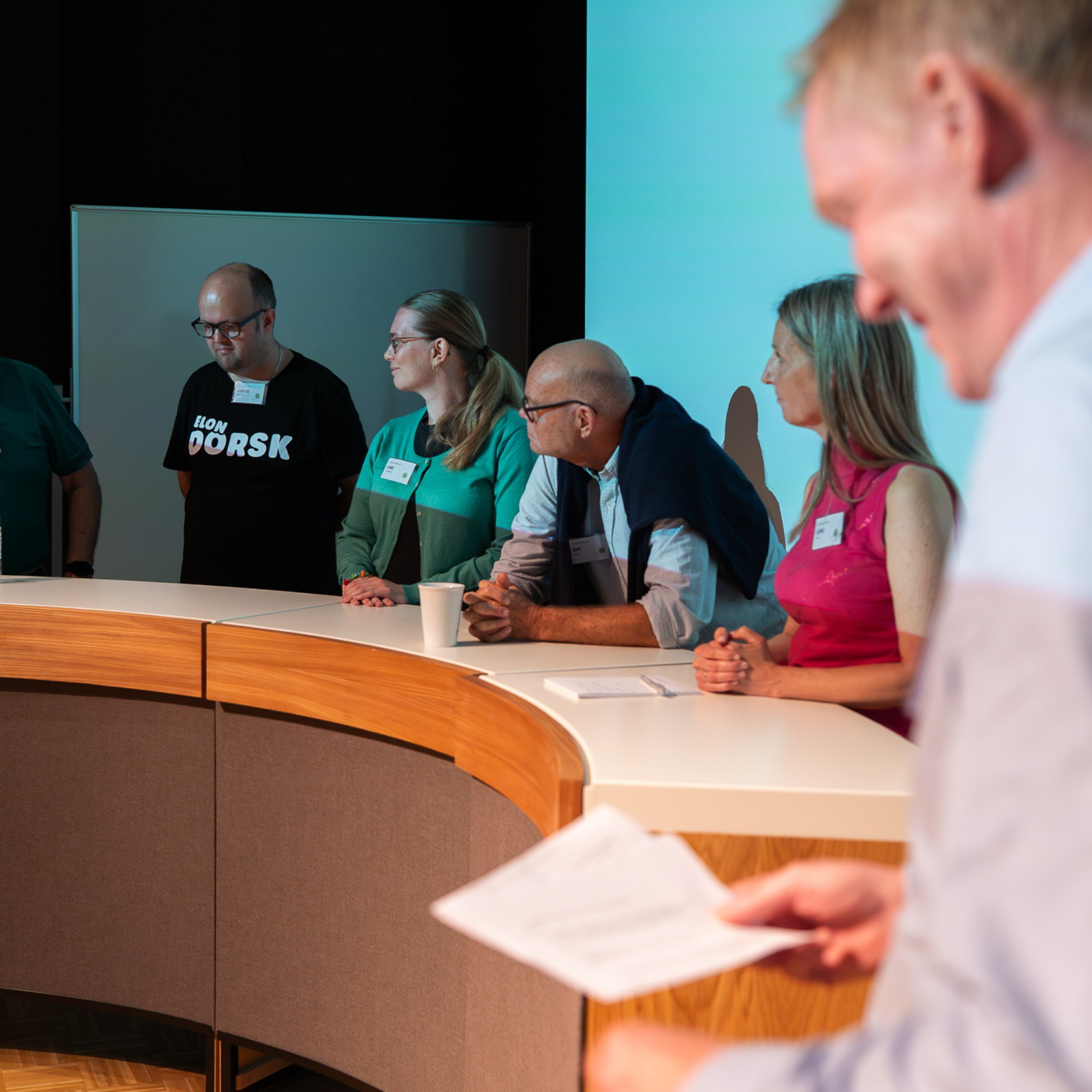
All of the country’s candidates were invited to five major bootcamps that aimed to help them campaign without scaring away voters.
Candidate meetings
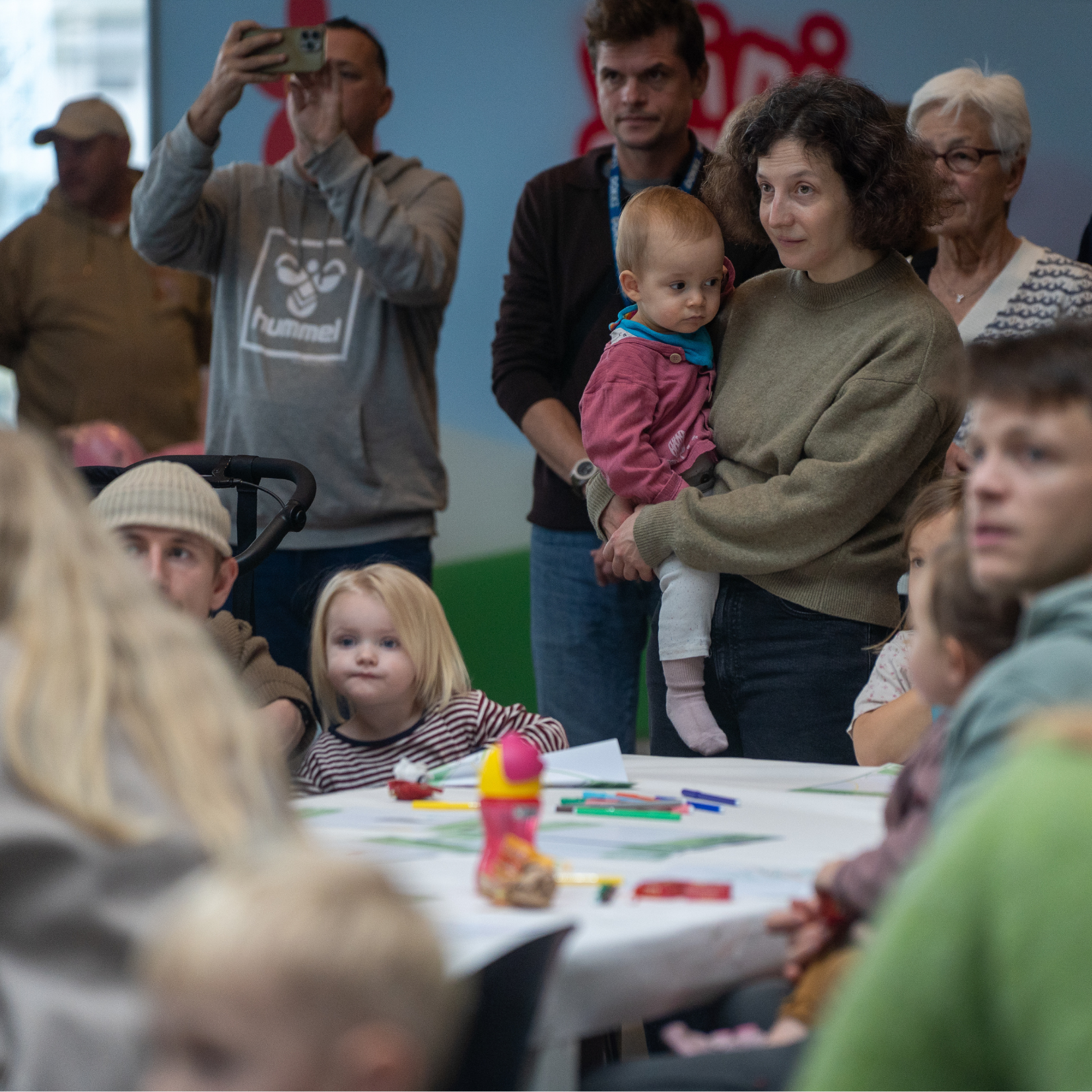
In the weeks leading up to the election itself, 10 election festivals were organized around the country with constructive debates, democratic activities for children and entertainment to engage voters – including families with children.
Election festivals
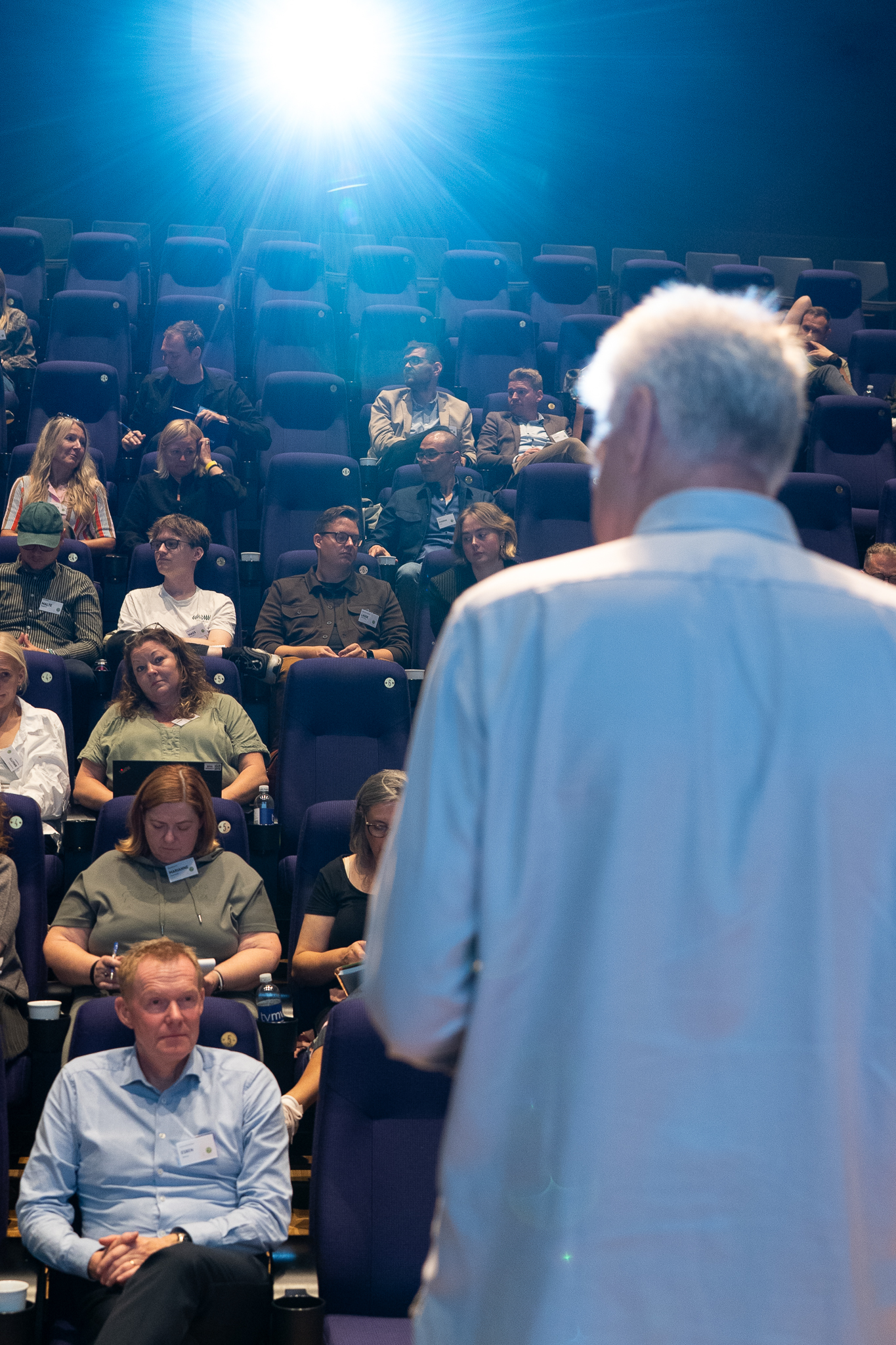
All commercial local and regional media worked together to develop and share ideas for new ways to engage and inform voters in a major innovation project.
Innovation Project
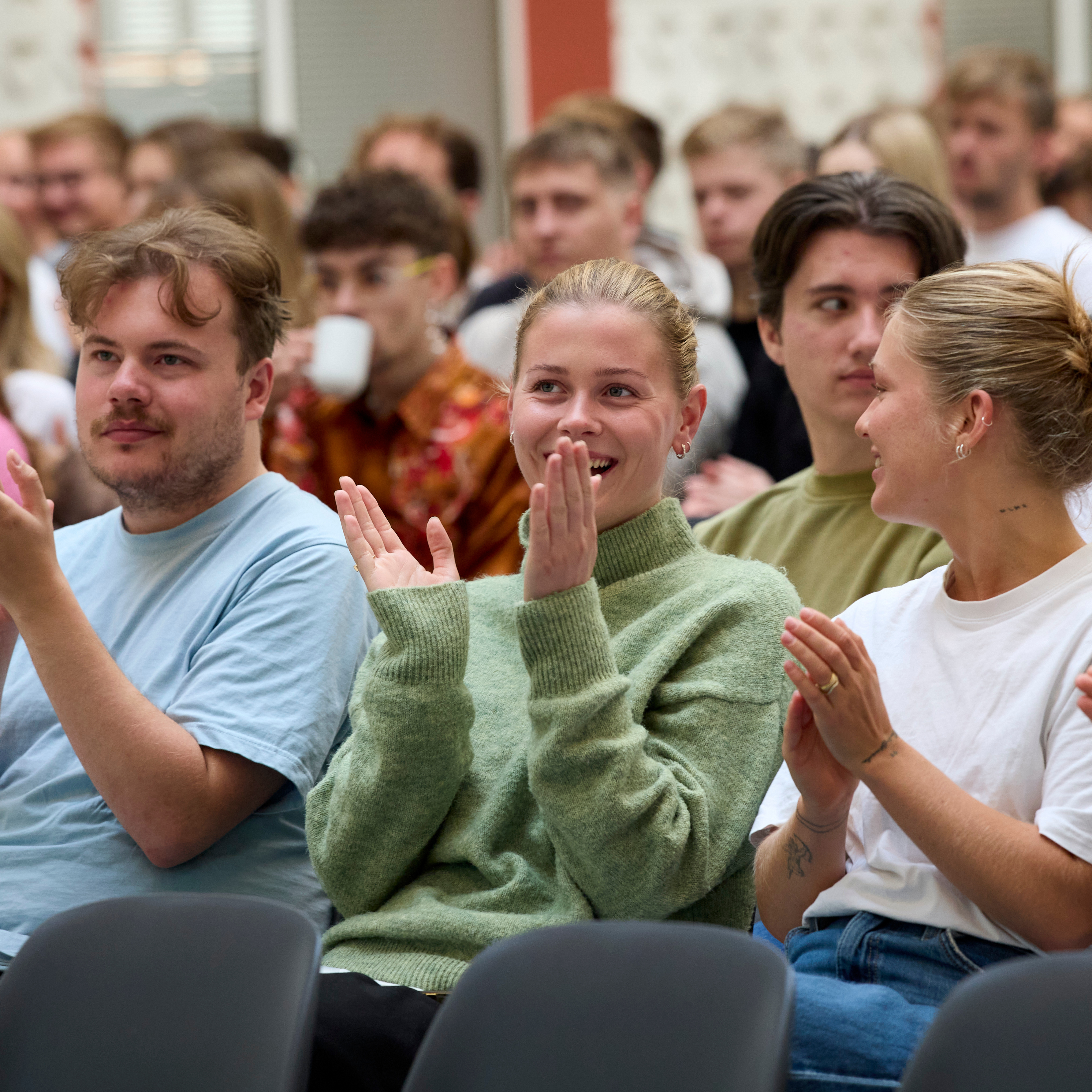
400 journalism students from three journalism programs at DMJX, SDU and RUC moved to 50 newsrooms across the country to strengthen local coverage of the election campaign.
Journalism students covering the election
AU and SDU publish follow-up research.
Reports from AU and SDU
Danmarks Statistik, Gravercentret and Epinion provided data, research and opinion polls to help journalists, citizens and candidates qualify the debate.
Data from Ritzau, Gravercenteret and Constructive Institute
Contact:
Wondering how you can make political elections more constructive in your country? Get in contact.